I was born and raised here in Texas, but spent almost every Christmas of my childhood with my family in Mexico. Growing up in a very Catholic family, it was almost like a yearly pilgrimage we took to return to family and celebrate the birth of our Savior.
We just celebrated Rorate Sunday (4th Sunday of Advent) and are less than a week away from Christmas. Right now is the time of when a few Catholic cultures, primarily in Mexico, celebrate Las Posadas. It’s a great celebration worth exploring for those that have not done so before.
The word posada is Spanish for lodging. It is a nine-day reflection and novena to remember the difficult journey and hardships Mary and Joseph endured in reaching Bethlehem and finding a place to stay. Each day of the novena is prayed with the traditional prayers, songs, and a rosary to reflect one each month of Mary’s pregnancy with our Lord.
The most fun part of Las Posadas is the procession and reenactment of Mary and Joseph’s search for lodging. Typically, a woman (often pregnant herself) dresses as Mary and rides a donkey next to a man dressed as Joseph as they go through homes or set locations in the neighborhood asking for shelter in song. If they are not dressed up, they will often carry statues or images of the couple as they lead the procession.
As the procession stops at each location, designated people sing back a response that there is no room, and then the procession continues a song about “peregrinos” (pilgrims) as they continue to the final location where the innkeeper lets them in and all those in the procession kneel around the nativity scene to pray the novena.
At the end, there is a star-shaped piñata that has 7 different cones to represent the 7 capital sins. The children whack at it and break it open to release the candy and other goodies that represent God’s blessings. There are other great treats and food shared to celebrate the season.
It truly is a beautiful way to pray with our Holy Mother Mary and St Joseph to better prepare our hearts to receive Jesus in the nativity. While it is mainly celebrated in Spanish-speaking cultures, all are welcome to join or start your own.
The Nativity Scene 
If you are not familiar with the tradition, a Mexican nativity scene is much different from the average American 14 piece set with the traditional characters we’re used to seeing. Traditionally, Mexican nativity scenes are very elaborate and can have dozens of characters including random farmers and workers from around Bethlehem.
Throughout the novena of las posadas, all the prayers take place before an empty manger. Every character is in place and everyone points to Jesus, but the infant child is not placed in the manger until Christmas Eve night when each family prays before the image and sings lullabies to put baby Jesus to bed. In closing the night, it is common to show some form or adoration of the image, similar to the way we adore the cross on Good Friday.
Aside from the merchants and citizens doing their chores, one of the most unusual characters is the presence of the devil himself. At first glance, it seems a little strange to those that are not used to seeing him represented among the witnesses of the nativity.
So this brings up a popular question, why is the devil in the nativity scene?
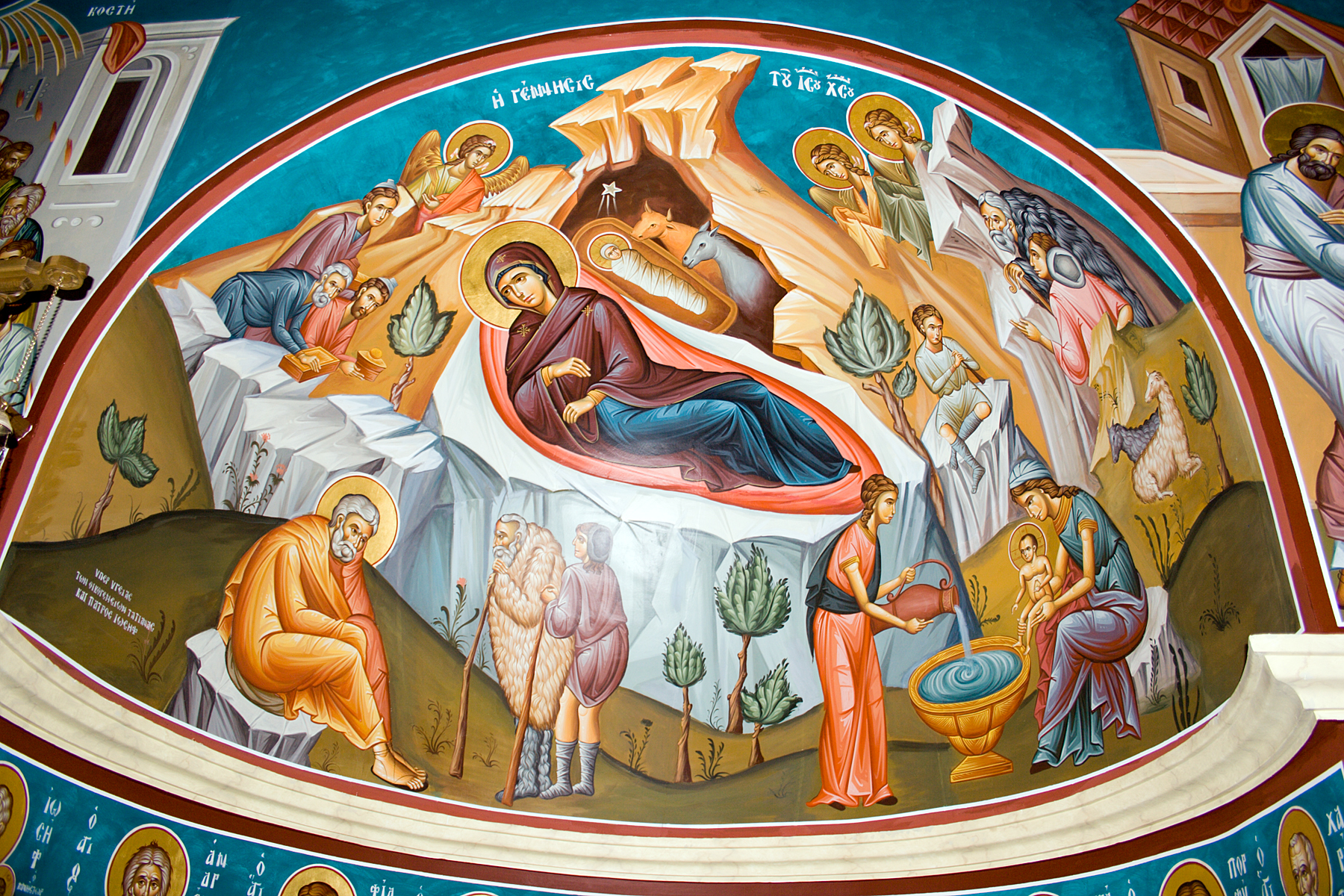
In many icons and images in the Eastern church, there is often an old man or hermit dressed in animal skins. Traditionally, this is a representation of the prophet Isaiah, but the same figure can represent a completely different character depending on the details. In some images of the nativity, the old man is next to St Joseph as he sit separated from Jesus and Mary. In these images the old man is referred to as the tempter because he tempts St. Joseph into doubting the virgin birth of Jesus.
This definitely darkens our expectations of a perfect picture of the nativity, but it does recognize the significant reality that even at the birth of the Christ Child, our fallen nature doubts God.
Satan at the nativity is the representation of the doubt and disbelief in God’s goodness. After all, Satan is only a fallen angel and incapable of any true power because he is not God. The devil’s presence in these nativity scenes and images shouldn’t be scary or unsettling, but serve as a reminder of the power of God and His infinite mercy to be made man so that He could die for our sins.
As we prepare for the celebration of Christmas, I hope that you take time to reflect upon the beautiful images in the nativity and rejoice. Blessings to all this last week of Advent and throughout the Christmas season.


LOL TOM SMITH
Thank you for the explanation about the devil in the Nativity.